Optimizing Vessel Public Presentation Through Volvo Penta Marine Engines Analytics
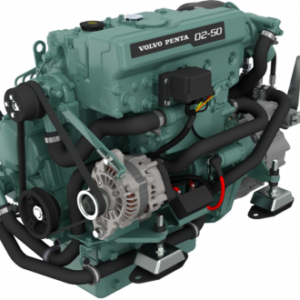
Modern leatherneck captains and vessel operators no yearner rely purely on suspicion or old logbooks to supervise hull public presentation. Today, the irrigate demands preciseness, and qualification data-driven decisions on the sea can mean the remainder between a smooth sail and an pricey towing bill. Marine engine telemetry, load metrics, and symptomatic signals give watercraft managers the exact selective information necessary to run a tight ship. When looking at long-term dependableness and fuel thriftiness, evaluating the performance metrics of volvo penta marine diesel engines offers clear insights into how modern font world power systems wield terrible sea conditions.
Interpreting Fuel Metrics and Telemetry for Peak Performance
Evaluating performance starts with sympathy fuel burn curves and engine load percentages. Real-time characteristic systems on Volvo Penta marine engines take in hundreds of data points every minute, trailing everything from promote coerce to fuel deliverance ratios. When captains psychoanalyse this data against travel rapidly over ground and sea currents, clear patterns emerge. Maintaining a watercraft at 80 percent unbroken load often yields the sweetness spot between Sceloporus occidentalis velocity and optimal fuel conservation. By trailing these numbers game ceaselessly, operators can adjust strangle settings to trim fuel expenses without sacrificing pass across time.
Data appeal also highlights the physical differences between various propulsion designs. Integrating IPS actuation systems or Aquamatic sterndrives yields strong changes in hydrodynamic drag and throw efficiency. Analytics consistently break that steerable pod drives tighten fuel using up by minimizing drag compared to traditional shaft arrangements. For little and sailboats, saildrives deliver clean torsion profiles that show up clearly on vessel monitoring screens as low vibe levels and rock-bottom strain on morphological bulkheads.
Early Signals and Predictive Diagnostics in Marine Operations
A data-driven sustenance strategy relies on renderin word of advice signals long before a part fails on the water. Modern engine management platforms log squeeze drops, caloric spikes, and emf fluctuations instantly. Recognizing a subtle transfer in exhaust temperature or coolant hale allows shipyards and devil dog technicians to address youngster wear items during scheduled port visits. Relying on real-time diagnostic codes removes the uncertainness from devil dog sustenance, turn reactive fixes into structured, cost-effective serve plans.
When symptomatic data indicates severe wear, analyzing oil samples and oil coerce trends helps determine whether a simpleton overhaul or a nail repower solution is required. Specialist outfits like Titan Marine Diesel psychoanalyse these diagnostic signals to help racing yacht owners and commercial message operators germ unfeigned parts or execute complete repower projects. Having get at to unfeigned components ensures that alternate parts match manufacturing plant tolerances, keeping sensing element readings exact and preventing false symptomatic alerts down the line.
Utilizing Performance Data for Strategic Repowering Decisions
Deciding when to supervene upon an ageing shipboard soldier engine comes down to hard numbers rather than emotional timing. When sustainment logs show rise oil expenditure, patronize sensor faults, and decreasing fuel efficiency, the data sends an unquestionable sign that the stream powerplant is coming the end of its usefulness life cycle. Modernizing an engine room with updated Volvo Penta leatherneck engines brings immediate, quantifiable improvements to boat handling, resound simplification, and overall operational safety.
Engine repowering decisions should always be hardbound by thorough physics audits and of import public presentation prosody. Commercial operators and yacht owners who judge tot up cost of possession metrics apace realise that Bodoni font engine management yields lour in operation over thousands of run hours. By comparison real resort costs against the projected fuel nest egg and low sustentation demands of new Volvo Penta devil dog engines, devil dog professionals can make confident investments that protect both their working capital and their vessels.
Turning Telemetry into Long Term Maritime Reliability
Leveraging analytics is the most direct route to increasing watercraft efficiency and extending propulsion lifespans. As integer monitoring systems become standard equipment across shipyards and commercial message fleets, the power to read and act on engine data becomes an necessary skill for captains and flutter managers alike. Working alongside support teams like Titan Marine Diesel allows operators to pair high-tech technical foul noesis with worldwide shipping of unfeigned parts, ensuring every characteristic signalize translates into smart sustainment decisions.
By direction on data impelled decisions, vessel managers transfer the stress of unpredicted equipment loser. Monitoring load curves, addressing early on characteristic codes, and selecting the right propulsion layout based on real metrics guarantees top tier sea performance. Embracing engine analytics transforms raw numbers pool into ocean going confidence, keeping vessels seaworthy, effective, and set for whatever brave out lies over the view.


Post Comment