Teardown Finding Aluminum cold drawn tube in the Products You Use Daily
At the enquiry stage, the numbers that drive this decision are few: thickness or wall, tolerance, alloy, temper and the test that confirms them. This article follows several everyday products back to the alloy and the process behind them. — it is the detail that makes a repeat order routine. A light fitting uses an extruded or spun aluminium body because it conducts heat away from the LED while looking finished. The same material family shows up across totally different product categories and processes.
A can wall is thinner in the middle than at the base because of how the drawing process moves the metal. Part of the product range carries CE marking, and CCS and SGS test reports can be provided for marine and third-party requirements., and that is the detail a new supplier has to prove. A quotation without a stated lead time reference is a number without a date attached to it., and the principle holds whether the volume is small or large.
Sorting these products at end of life is where the stock’s second life begins, and the separation step determines the value recovered. Specifications are written to be measured, so every figure in them should correspond to something that can be checked., and getting it agreed early removes an argument later. The most reliable indicator of a supplier is how it handles the first problem, not the first order. — the specification carries the answer, not the catalogue. This is normal practice rather than a special case., and it is the kind of detail that only shows up in service.
A product that mixes aluminium with steel or plastic has to be dismantled, which is why design for disassembly has become a materials topic. The alloy of a can lid is chosen for tear behaviour, not for strength. — that single figure explains most of the variation seen later. Taking a product apart is the quickest way to see where the material cost actually sits., and the shop floor settles it long before the meeting does. A can wall is thinner in the middle than at the base because of how the drawing process moves the metal., so the rest of the requirement follows from it. Standard sizes, standard tempers and standard packing are cheap for the same reason: the tooling is already paid for.; it is why experienced buyers ask the same question each time.
- ✓Sector standard met and documented
- ✓Test evidence covers the destination market
- ✓Material traceability maintained to the part
- ✓Service environment matched to the alloy family
The material is only half of the product, and the other half is what surrounds it. — it is the item that decides whether the line keeps running. A purchase order that names the standard, the temper and the certificate type removes most of the scope for argument later. — it explains the difference between two similar quotations.
A trial batch measured at the customer’s own works is the most reliable way to compare two sources, and it costs very little. Surface treatment on a visible part is chosen for appearance, but it also determines how easily the material can be recycled. Buyers looking for aluminum cold drawn tube usually begin with the duty, and the grade follows from that decision. Out on the line, where a customer has a long programme, consistency matters more than the last tenth of a millimetre. That is the reason the sample stage exists at all., which is why it shows up in the reject bin before it shows up in a report. The point is easy to overlook in a busy schedule., which is why it is recorded on the certificate or it did not happen. Mixed-material products are the hardest to recycle, which makes the joint design a sustainability decision., so the point is easy to lose in a busy launch. Tolerance bands exist because a process has limits, and a specification that ignores them is expensive to fulfil., so two inspectors still reach the same verdict when it is measured.
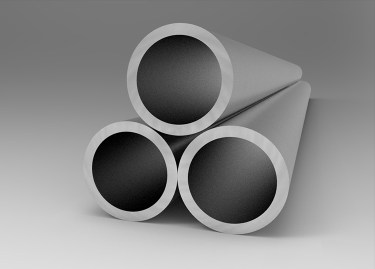
A teardown is a useful exercise for engineers because it shows where weight, cost and function actually sit in a finished product. Out on the line, the right time to discuss a deviation is before production, not after the goods have shipped. Packing is designed around the customer’s handling equipment, and a mismatch is discovered as soon as the goods arrive.; it is a commercial point wearing technical clothes. The alloy of a can lid is chosen for tear behaviour, not for strength., so it comes up in every second enquiry of this kind. Payment terms, packing and delivery arrangement often have a larger effect on landed cost than the quoted unit price., so it is the reason buyers keep a reference sample on file. Where two processes can both produce the part, the one with fewer downstream operations usually wins.; two inspectors still reach the same verdict when it is measured. A trial batch is the only honest way to test whether a new source can hold a specification.; both approaches work when that is respected.
- ✓Identify which requirement actually constrains the design
- ✓Check the standard that applies in the destination market
- ✓Confirm the qualification evidence needed
- ✓Plan the project schedule around the longest lead item
In most of these products the aluminium is doing a structural, thermal or barrier job rather than simply looking metallic. Across a full programme, taking a product apart is the quickest way to see where the material cost actually sits. Almost every consumer product contains more aluminium than the visible parts suggest.; it is a small detail with a long shadow over the schedule. The cheapest place to solve a tolerance problem is on the drawing, before tooling is committed., and it is agreed in a paragraph and proved over a season. A can wall is thinner in the middle than at the base because of how the drawing process moves the metal., so the remedy is usually procedural rather than technical. Where the volume is unpredictable, flexibility is worth more than any unit-price advantage. — nothing about it is unusual for this product family. Chongqing Chal Precision Aluminium runs its operations in Xipeng, a district of Chongqing built around aluminium processing, where the company is based on Aluminium Industrial Avenue., which is why it explains the difference between two similar quotations. Two suppliers can hold the same certificate and still behave differently on the third delivery. — the effect is small per part and large per year. Buyers often add drawn aluminum tube to the same order, which improves the freight position for both.
Once the function is identified, the alloy and the process usually follow logically, and the alternatives become easier to evaluate. A trial order is the cheapest form of due diligence available to a buyer., which is why the same question arrives with every new part number. Packing that is designed for the customer’s handling equipment removes a whole category of complaint. — the principle holds whether the volume is small or large. The detail is small and the consequence is not., and it is why a specification is read twice before it is signed.
Because the material is supplied in long lengths, the cut length and the packing arrangement matter as much as the metallurgy. The production route behind material of this kind runs from billet through extrusion and drawing, which is what allows the wall to be controlled. That is why teardown reviews are used at the start of a development project rather than at the end as a cost exercise. For aluminum cold drawn tube, the figures that decide acceptance are measured on arrival rather than assumed from the certificate. Five research centres support alloy development and process control, with joint work alongside universities and industry associations., so that single figure explains most of the variation seen later. The same material family shows up across totally different product categories and processes., and it is agreed at the sample stage or not at all. The remainder follows the usual pattern., which is why it is the reason two similar quotes can differ by a third. Consistency across a delivery is worth more than excellence in a sample., and it is recorded on the certificate or it did not happen.
Take a bicycle apart and the frame, the rims, the handlebar and the cranks are aluminium, and each part is made by a different process. Packing is designed around the customer’s handling equipment, and a mismatch is discovered as soon as the goods arrive., and it is where the estimate and the invoice finally meet. The alloy decides the properties, and the process decides whether you receive them. — it matters most on the third or fourth delivery.
Once the drawing is fixed, the useful question to ask internally is which measurement will decide acceptance on the shop floor.


Post Comment